KINDNESS WISDOM posted: " Was the United States justified in the atomic bomb, bombings of Hiroshima and Nagasaki? Bertrand Russell had this to say in On Nuclear Morality (1962) KPFA Interview with Mike Tigar. Mike Tigar question: "Was it right having made the atom bomb,"
Was the United States justified in the atomic bomb, bombings of Hiroshima and Nagasaki? Bertrand Russell had this to say in On Nuclear Morality (1962) KPFA Interview with Mike Tigar.
Mike Tigar question:
"Was it right having made the atom bomb, to then drop it on Hiroshima and Nagasaki?"
[Russell interrupts question]
Bertrand Russell answer:
"Oh, no. Oh, no! That was a dastardly and most wanton piece of cruelty. The Japanese were beaten by that point and they were going to surrender quite soon. There is no point whatever dropping the first bomb, and when you dropped the first there is still less point in dropping the second. Both were wanton acts of great cruelty. The Americans had made this "wonderful weapon" and they wanted to show it off and it slain hundreds of thousands of people … [cough] … Well, they thought that was only a detail."
Bertrand Russell, On Nuclear Morality with Mike Tigar (1962)
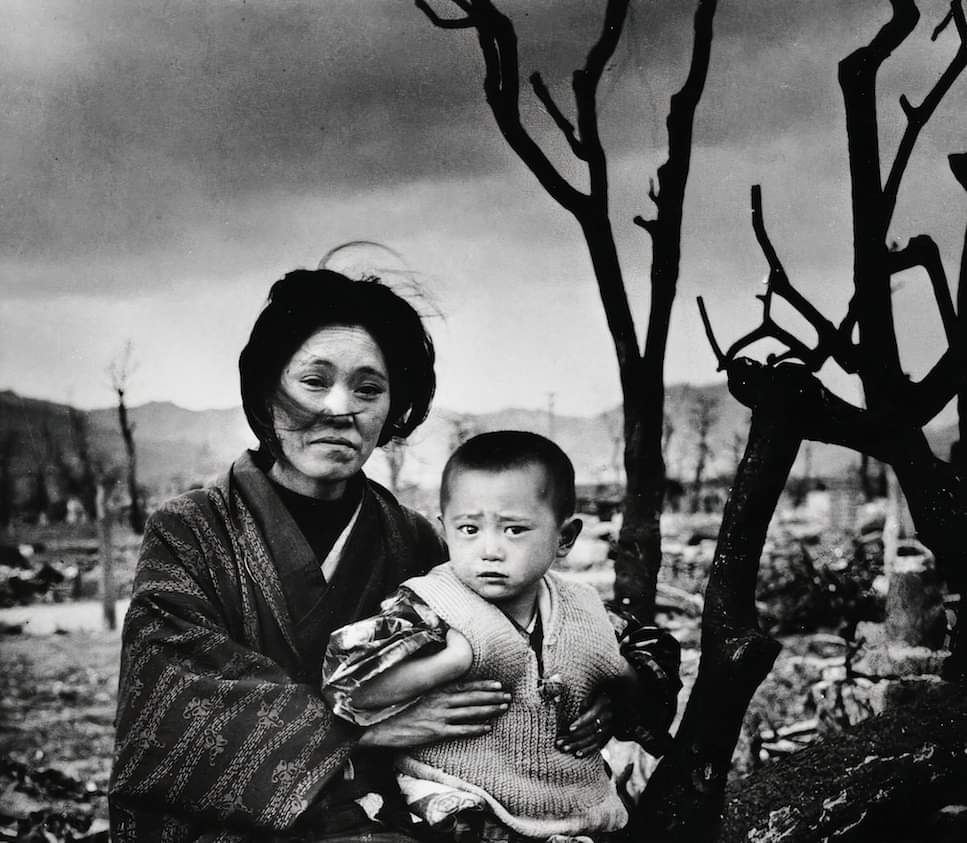
On 6 August 1945, the Japanese city of Hiroshima suffered an atomic bombing by the United States during the final stages of World War II. The bomb exploded at 8:15 a.m., killing 140,000 people - around half the population of the southern Japanese port city. Some 70,000 people were killed instantly. Russell continues in his first anti- nuclear warfare essay The Bomb and Civilization (1945):
"It is impossible to imagine a more dramatic and horrifying combination of scientific triumph with political and moral failure than has been shown to the world in the destruction of Hiroshima. From the scientific point of view, the atomic bomb embodies the results of a combination of genius and patience as remarkable as any in the history of mankind.
One is tempted to feel that Man is being punished, through the agency of his evil passions, for impiety in inquiring too closely into the hidden secrets of nature. But such a feeling is unduly defeatist.
Science is capable of conferring enormous boons: it can lighten labor, abolish poverty, and enormously diminish disease. But if science is to bring benefits instead of death, we must bring to bear upon the social, and especially international, organization, the intelligence of the same high order that has enabled us to discover the structure of the atom. To do this effectively we must free ourselves from the domination of ancient shibboleths, and think freely, fearlessly, and rationally about the new and appalling problems with which the human race is confronted by its conquest of scientific power."
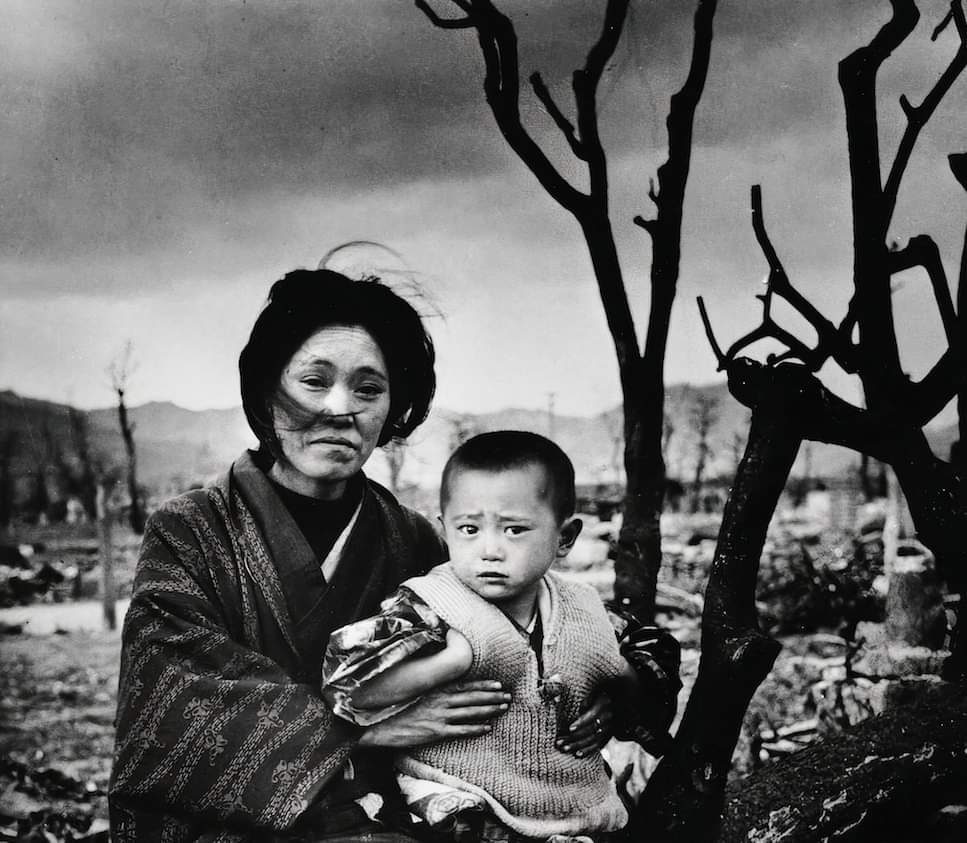
Image: Alfred Eisenstaedt's photograph of a mother and child in the radioactive wasteland of 1945 Hiroshima.
Substantial debate continues to exist over the ethical, legal, and military aspects of the atomic bombings of Hiroshima and Nagasaki. Supporters of the bombings generally assert they caused the Japanese surrender, preventing massive casualties on both sides in the planned invasion of Japan. Those who oppose the bombings argue it was militarily unnecessary, inherently immoral, a war crime, or a form of state terrorism for which no one has ever, or will be convicted.


 Peace & Truth.


No comments:
Post a Comment